
Nifty 50 vs Sensex: Which Index Should You Trade as a Beginner?
1. Introduction for Beginners
Nifty 50 vs Sensex
When new traders come into the stock market, their very first question usually is whether to trade
Nifty 50 or sensex. For a new trader, it is important to understand the difference between Nifty 50
and sensex before entering the market for the first time. Many new traders enter the stock market
without enrolling in a proper stock market course, and this leads to confusion, losses, and poor
decisions.
Nifty 50 and sensex both represent the Indian stock market, but they are not alike in
terms of their creation, volatility, and performance. A screener helps in analyzing stocks of Nifty
50 and sensex, but without knowledge, even the best screener makes mistakes. Global indices such as
the dow jones also influence Nifty 50 and sensex, making index awareness even more important for
beginners. A structured stock market course teaches how global movements in the dow jones impact
Indian indices and how to use a screener effectively.
Those who learn about Nifty 50, sensex, dow
jones, and screener concepts before trading have a better foundation. That is why selecting the
right index and learning from a stock market course is the first step towards successful trading.
2. What Is Nifty 50?
Nifty 50 is one of the most commonly used indices in the Indian stock market , it is everyone
favourite topics to be taught in every stock market course. For beginner ,Nifty 50 is easier to
understand because it contain top 50 companies of different sectors.
Nifty 50 is more diversified
than sensex, and this assists in reducing market volatility. Most new traders make use of a screener
to analyze Nifty 50 stocks, as the index is quite transparent with high liquidity. When global
markets like the dow jones move overnight, Nifty 50 generally reacts in a more balanced manner than
sensex. This stability makes Nifty 50 suitable for learners who are still building confidence. In a
structured stock market course, instructors often demonstrate how Nifty 50 movement reflects overall
market sentiment. A screener allows beginners to track sector strength and identify leading stocks
within Nifty 50. By understanding how dow jones trends impact Nifty 50, traders gain a global
perspective. This is why most educators recommend mastering Nifty 50 before moving to sensex through
a professional stock market course.
3. What Is Sensex?
In every stock market course, the sensex - the benchmark stock market index of the Bombay Stock
Exchange is frequently mentioned alongside the Nifty 50. Only thirty large-cap stocks make up the
sensex, in contrast to the Nifty 50. A beginner who begins trading in the sensex without proper
knowledge from a stock market course may find it difficult to handle risk.
A screener is commonly
used to analyze sensex stocks, as fewer companies have a higher impact on index movement. When
global markets such as the dow jones show strong movement, the sensex usually reacts quickly
compared to Nifty 50. This fast reaction can be profitable but risky for beginners. In professional
training, mentors explain how sensex volatility differs from Nifty 50 using real market examples. A
screener helps identify heavyweight stocks influencing the sensex, but understanding this requires
guidance. Learning sensex behavior after mastering Nifty 50 through a stock market course helps
beginners trade with more confidence, especially when global cues from the dow jones affect the
market.
4. Nifty 50 vs Sensex – Structural Difference
Understanding Nifty 50 and Sensex becomes easier when visualized.
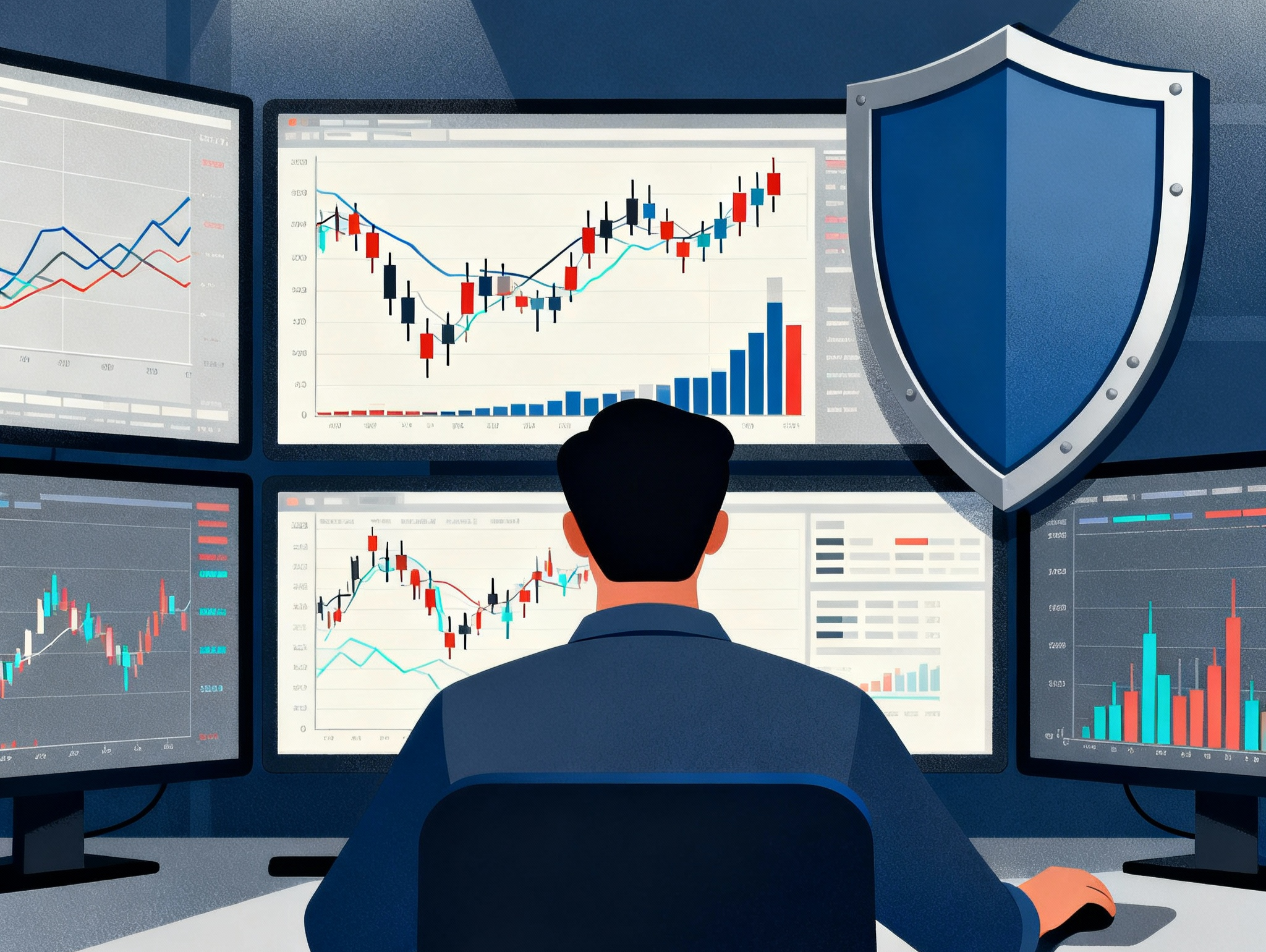
Nifty 50 vs Sensex comparison
While comparing Nifty 50 vs sensex, it is important to know the structural difference between the
two for a beginner learning from a stock market course. The most apparent difference between the two
is the number of stocks. Though Nifty 50 contains 50 stocks, sensex contains only 30 stocks that is
why there is a huge difference in the volatility and trading of stocks.
It is normal from the
screener that Nifty 50 contains a larger number of stocks. In contrast, sensex is more dependent on
a few heavyweight stocks, making it more sensitive to price changes. When global markets like the
dow jones experience sharp movement, Nifty 50 often absorbs the impact better than sensex. This is
why many experts in a stock market course recommend starting with Nifty 50. Using a screener,
beginners can observe how multiple stocks contribute to Nifty 50, while fewer stocks dominate sensex
movement. Comparing Nifty 50, sensex, and the dow jones helps learners understand global and
domestic index structure. A solid stock market course explains these differences clearly to build
strong fundamentals.
5. Volatility Comparison
Volatility is one of the most important factors that have to be remembered while making a choice
between Nifty 50 and sensex, especially for new investors enrolled in a stock market course. Nifty
50 is expected to show controlled behavior because it is made up of 50 diversified stocks, whereas
sensex is expected to show sharp movements because of the higher weightage of individual stocks.. A
screener helps beginners measure volatility in both Nifty 50 and sensex, but interpretation requires
proper training.
When global indices such as the dow jones experience sudden changes, sensex often
reacts faster than Nifty 50, increasing risk for new traders. This is why many mentors in a stock
market course advise beginners to focus on Nifty 50 first. Using a screener, traders can track daily
volatility patterns and identify stable trading zones. Beginners who understand how dow jones
movements affect Nifty 50 and sensex gain better emotional control. Learning volatility management
through a stock market course helps traders avoid panic trades. For most beginners, Nifty 50 offers
a smoother learning curve compared to sensex, especially during volatile global conditions
influenced by the dow jones.
6. Liquidity and Execution
For making choice between Nifty 50 and sensex liquidity plays a major role, particularly for new
investors learning from a stock market course. Nifty 50 is known for its high liquidity, that is it
is easy to entry and exit while trading.
In comparison to sensex, Nifty 50 contracts have higher
trading volumes. A screener helps beginners analyze volume data for Nifty 50 and sensex, making
liquidity patterns easier to understand. When global markets such as the dow jones influence Indian
indices, Nifty 50 often handles heavy trading activity more efficiently than sensex. In a structured
stock market course, traders are taught why liquidity matters for execution quality. Using a
screener, beginners can track real-time volume changes and avoid low-liquidity traps.
Global
comparisons with the dow jones also highlight the importance of liquidity in index trading. Because
of its consistent liquidity, Nifty 50 is generally recommended as the starting index in a stock
market course, while sensex is better explored after gaining experience.
.jpg)
why Screener is important
7. Role of Screener in Index Trading
A screener is very important for analyzing both Nifty 50 and sensex, particularly for beginners who
are taking a stock market course. Traders can easily determine which stocks are contributing the
most to the movement of Nifty 50 and which companies are influencing sensex performance. Because
Nifty 50 includes a larger number of stocks, a screener helps beginners understand sector rotation
and overall market strength. In contrast, sensex analysis through a screener focuses on fewer
heavyweight stocks, making accuracy more important.
When global markets such as the dow jones show significant
Many professional educators teach screener usage
as a core module in a stock market course. Global market analysis, including tracking the dow jones,
is often combined with screener data to improve decision-making. When the dow jones shows strong
trends, traders can use a screener to anticipate possible impact on Nifty 50 and sensex. Learning
how to use a screener effectively allows beginners to trade indices with logic instead of emotions.
This skill is essential before moving beyond Nifty 50 or sensex into advanced trading strategies
taught in a stock market course.
8. Global Impact of Dow Jones
The global movements in the markets directly affect Nifty 50 and sensex, and hence it is important for beginners to follow the dow jones while learning through a stock market course. The dow jones tends to set the tone for the global markets, and its overnight performance affects the opening of Nifty 50 and sensex. Using a screener, traders can monitor how global cues reflect in index strength and sector performance. Generally, Nifty 50 absorbs volatility from the dow jones more smoothly than sensex due to better diversification. In contrast, sensex may react sharply when global sentiment changes. A structured stock market course teaches how to analyze dow jones trends alongside domestic indices. A screener helps beginners identify which stocks in Nifty 50 and sensex are most affected by global news. Understanding the relationship between dow jones, Nifty 50, and sensex improves timing and risk control. This global awareness is a key lesson taught in every professional stock market course.
9. Which Index Should Beginners Trade?
For beginners, the choice between Nifty 50 and sensex should be made keeping in mind the principles
of stability, ease of learning, and risk management, which are some of the fundamental principles
that are taught in a stock market course. Nifty 50 is easier to trade compared to sensex, and most
beginners feel that it is easier to trade because of the diversified nature of Nifty 50, which does
not witness extreme fluctuations in prices like sensex. By using a screener, beginners can study the
trends of Nifty 50. Sensex, while popular, often requires stronger emotional discipline due to
faster movements. Global cues from the dow jones influence both Nifty 50 and sensex, but Nifty 50
generally remains more balanced. In a professional stock market course, mentors often advise
beginners to gain confidence with Nifty 50 before exploring sensex strategies.
A screener helps
identify strength and weakness in both indices, but beginners benefit more from Nifty 50 analysis.
Understanding how the dow jones impacts Indian markets further improves trading decisions. For most
beginners, Nifty 50 is the preferred starting point before moving to sensex with experience gained
through a stock market course.
10. Final Conclusion
In conclusion, choosing between Nifty 50 and sensex should never be a random decision for beginners
entering the stock market. A clear understanding of how Nifty 50 works compared to sensex helps
traders build confidence and consistency. Beginners who rely only on tips without joining a stock
market course often fail to understand index behavior.
Using a screener improves analysis, but
knowledge is required to interpret screener data correctly. Global indicators such as the dow jones
continue to influence both Nifty 50 and sensex, making global awareness essential. A professional
stock market course teaches how to combine dow jones analysis with domestic index movement. With the
right education from a stock market course, beginners can start with Nifty 50, understand sensex
gradually, and trade confidently even during volatile periods influenced by the dow jones.