
Stock Market Explained in Simple Language for Beginners
1. What Is the Stock Market?

Understanding how the stock market works
The stock market is a place where people trade the shares of companies, and for a beginner, this
idea can be easily understood by a stock market course in simple words. When a beginner hears about
Nifty 50 and sensex, they get confused, but these are only indicators that tell how the market is
performing. Many beginners get scared when they hear the news about the dow jones, but they do not
understand how the international markets affect the Indian markets like Nifty 50 and sensex. This is
why learning the basics before investing is very important.
A screener helps traders analyze stocks,
but without knowledge, even the best screener cannot give correct results. A well-structured stock
market course will teach new entrants how the Nifty 50, the Sensex, or the Dow Jones reflects the
market mood. Trading in a stock market is not gambling but functions on the performance of
companies, the level of demand, and market confidence. Tools like a screener help simplify data,
while indices like Nifty 50 and sensex help beginners understand market direction. Learning these
fundamentals through a stock market course reduces fear and builds confidence, especially during
volatile situations influenced by the dow jones.
2. Why the Stock Market Exists
The stock market essentially facilitates the raising of capital for businesses, in addition to
providing investors a means for increasing their finances, a concept that you can learn more about
in a beginner's stock market course. When companies launch an IPO (Initial_public_offering), they often become a part of the
key indices such as the Nifty 50 or Sensex, among others, depending on the market performance.
Beginners usually watch market news and global updates such as the dow jones without understanding
how these movements connect to Indian markets. This confusion breeds fear and bad choices.
A
screener helps newcomers sift companies by performance, but mastering how to use the screener is
just as important. A well-structured stock market course shows why the Nifty 50 and Sensex rise or
fall in response to economic activity. The dow jones reflects global investor sentiment, while
Indian indices reflect domestic growth. With the help of a screener, beginners can study how
companies contribute to Nifty 50 and sensex movement. Understanding why the stock market exists
through a stock market course helps beginners see the market as a logical system rather than a risky
gamble.
3. What Are Shares and How Do They Work?
“Shares represent ownership in a company, and this concept has been illustrated in very basic stock
market courses for beginners in a very straightforward manner.” When you purchase shares, you
essentially become a small stakeholder in a firm and can benefit from it as it grows in size and
value. Many common stock market examples for beginners include names such as ‘Nifty 50′ and
‘Sensex,’ which is why they are so often cited to explain how the stock market functions. Share
prices are tracked through a “share screener” by many beginners.
However, without learning the
basics, a screener alone cannot guide correct decisions. Global events reflected in the dow jones
can impact share prices even before Indian markets open. A structured stock market course teaches
how demand and supply move share prices and how this movement affects Nifty 50 and sensex. When more
people buy shares, prices rise and indices move up. By learning how to read a screener and
understand global cues from the dow jones, beginners avoid panic buying or selling. This
foundational knowledge gained through a stock market course is essential before actively trading in
the stock market.
4. Understanding Nifty 50 and Sensex
Understanding Nifty 50 and Sensex becomes easier when visualized.
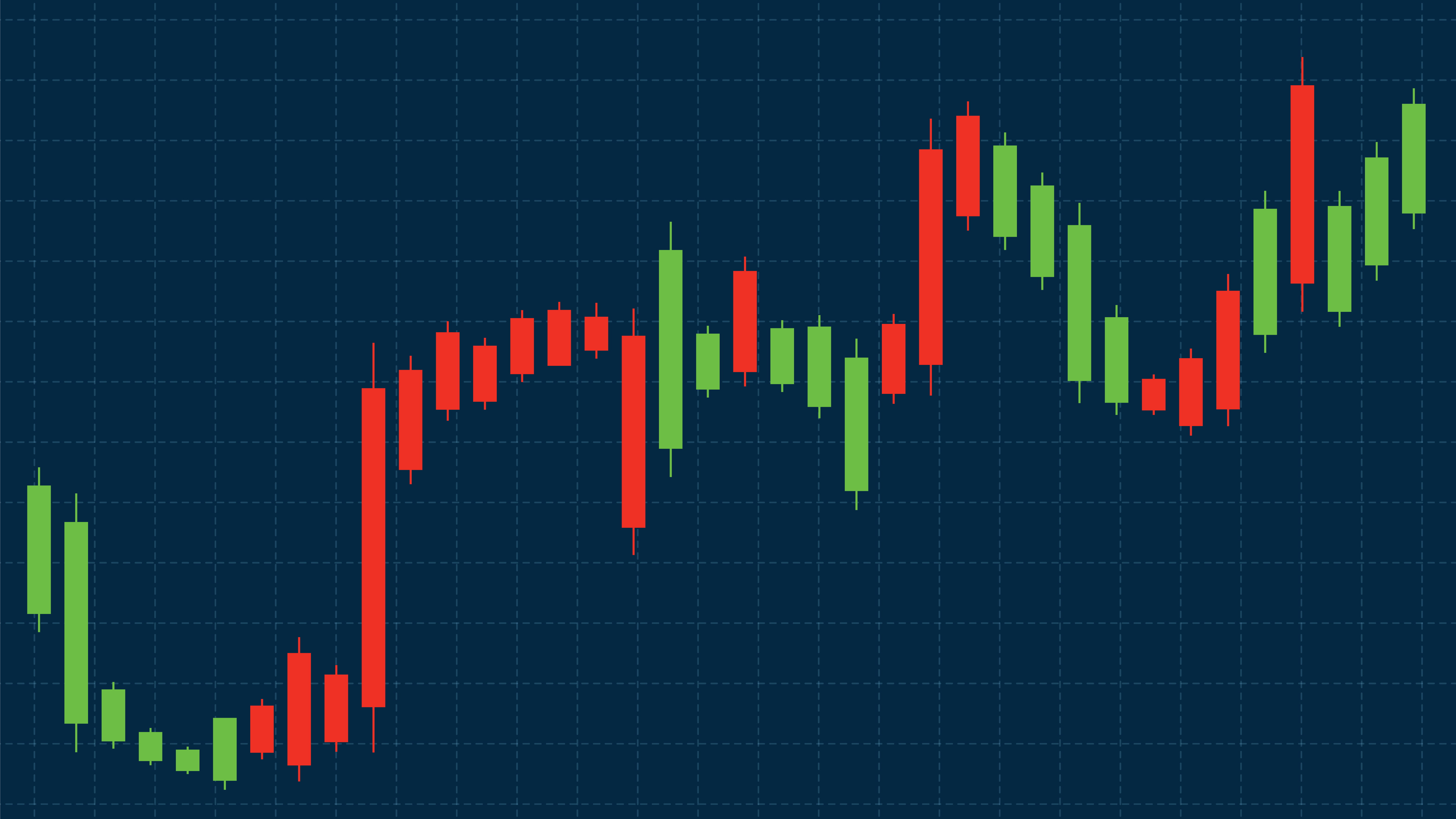
Nifty 50 vs Sensex comparison
Nifty 50 and Sensex are two major stock market indices, which help new trader to gain knowledge
about the status of the Indian stock market, a very first topic of every stock market course. Nifty
50 tracks the top 50 companies listed on the National Stock Exchange, whereas Sensex tracks the top
30 companies located on the Bombay Stock Exchange. These indices act like report cards for the
market. When Nifty 50 or sensex moves up, it means most big companies are doing well.
Beginners
often get confused when global news about the dow jones affects Indian markets, but this connection
becomes clear with proper learning. A stock market course explains how movements in the dow jones
influence Nifty 50 and sensex sentiment. Using a screener, beginners can see which companies are
pushing the index up or down. A screener also helps track sector performance within Nifty 50 and
sensex. Understanding how these indices work through a stock market course gives beginners a clear
picture of market direction and helps them make informed decisions instead of emotional ones.
5. Role of Global Markets Like Dow Jones
The Indian stock scene is shaped by world markets, as you will learn from any basic course about the
stock market. The Dow Jones stands tall among all other world indices, as it shows the condition of
some of the biggest companies in the United States. When the dow jones moves sharply, its impact is
often seen in Indian indices like Nifty 50 and sensex at market opening. Beginners usually panic
when they see negative global news, but understanding this connection helps reduce fear. A stock
market course teaches how global sentiment flows into domestic markets.
Using a screener, beginners
can track how stocks within Nifty 50 and sensex react to global cues. Generally, Nifty 50 handles
global volatility better than sensex due to broader diversification. A screener also helps identify
which stocks are most affected by dow jones movements. By learning how the dow jones, Nifty 50, and
sensex are connected, beginners develop a balanced view of the market. This global understanding,
combined with tools like a screener and guidance from a stock market course, helps beginners trade
with logic rather than fear.
6. What Is a Screener and Why Beginners Need It
A screener is one of the most important tools for beginners learning about the stock market through
a stock market course. A screener helps filter stocks based on price, volume, performance, and other
criteria, making analysis easier for beginners. Many traders use a screener to study companies
included in Nifty 50 and sensex, as these stocks are stable and widely followed. However, a screener
alone is not enough without understanding how to read the data correctly. This is why a stock market
course teaches beginners how to combine screener results with market knowledge.
Global factors such
as movements in the dow jones also affect stock behavior, which can be observed using a screener.
Beginners learn how dow jones trends impact Nifty 50 and sensex stocks. A stock screener will
repeatedly help new investors find good companies, avoiding the undesirables among them. A stock
market educational program on how a stock screener works will give confidence to the investor on
what he is doing rather than acting on a tip or a notion.
why stock market course is important
7. Why Beginners Should Learn Before Trading
Most newbies incur losses in the stock market because they begin trading without adequate learning,
and this is why it is highly recommended that one joins a stock market course. Knowledge of how
Nifty 50 and sensex work helps newbies treat the stock market as a system and not as a game of
chance.
Most newbies in the stock market only depend on tips and news, especially when there are
global updates about the dow jones that cause panic. A stock market course teaches one discipline,
patience, and risk management, which are essential for success. Using a screener, newbies are able
to analyze stocks logically rather than emotionally. A screener also enables beginners to monitor
the response of Nifty 50 and sensex in volatile market conditions. Understanding the impact of
international indices such as the dow jones on the Indian market enhances decision-making skills.
When beginners comprehend the market structure through a stock market course, they do not make
mistakes such as over-trading and panic selling. With the knowledge of Nifty 50, sensex, dow jones,
and screener tools, beginners build a robust foundation.
8. Common Myths About the Stock Market
Many beginners believe the stock market is only for experts or that it is similar to gambling, but
these are common myths clarified in any good stock market course. Indices like Nifty 50 and sensex
are based on real companies with real business performance, not luck. Beginners often misunderstand
sudden market moves, especially when global news related to the dow jones creates fear. A stock
market course explains that such movements are part of normal market behavior.
Using a screener,
beginners can clearly see company data, trends, and financial strength, which removes guesswork. A
screener helps analyze how stocks inside Nifty 50 and sensex perform over time. When beginners
understand how the dow jones influences sentiment rather than randomness, fear reduces. Education
helps replace myths with logic and planning. Learning from a stock market course teaches new traders
that the stock market is a place where patience and discipline are rewarded.
Learning about Nifty
50, sensex, international events from the dow jones, and analysis tools such as a screener helps
newbies understand the stock market, making it seem less risky and confusing.
9. How Beginners Should Start in the Stock Market
For beginners, the best way to enter the stock market is with a learning plan in mind, which is why
usually stock market course is always recommended. Rather than entering random trades, beginners
should first learn should have basic knowledge like how Nifty 50 and sensex indicate the overall
market direction. Watching daily movements of Nifty 50 helps beginners understand trends, while
sensex helps them see how large companies impact the market.
Using a screener, beginners can slowly
study strong stocks and observe how price, volume, and trends behave. Many beginners also track the
dow jones to understand global sentiment, but they should learn how to interpret this data
correctly. A structured stock market course teaches how to combine global cues from the dow jones
with domestic index movement. With the aid of a screener, beginners can steer clear of emotional
trading and concentrate on data-driven trading. Understanding how Nifty 50, sensex, dow jones, and
screener work in tandem is confidence-building. This step-by-step, education-based method of
teaching, as taught in a stock market course, helps beginners inculcate discipline, patience, and
consistency in their trading process
10. Final Conclusion
In conclusion, the stock market becomes much easier to understand when beginners focus on learning
before trading, which is why enrolling in a stock market course is a smart first step. When
beginners clearly understand how Nifty 50 and sensex reflect the performance of top companies,
market movements start to make sense. Many beginners feel fear during market ups and downs,
especially when global indices like the dow jones show sharp movements. However, proper education
helps reduce this fear. By using a screener, beginners can logically analyze stocks, but the skill
of understanding the results of a screener can only be acquired by learning. A good stock market
course will teach one to integrate the knowledge of Nifty 50, sensex, dow jones, and screener to
make informed decisions. With time, beginners understand that the stock market is not a place for
making fast money but for being disciplined and consistent.
By understanding the behavior of the
index, the impact of the global market, and the tools of analysis, beginners feel confident. With
proper teaching in a stock market course, beginners can enter the stock market with clarity,
control, and a long-term perspective rather than fear and confusion